The most reliable starting point for any solar system is the electricity bill you already receive. It shows how many units (kWh) you use, how that changes through the year and what kind of connection you have.
1. Find your average and peak units
Look at the 12-month usage history on the bill. Add the twelve months and divide by 12 for your average, then note the highest summer month. Air-conditioning usually makes June to August your peak.
2. Turn units into system size
In most Pakistani cities, 1 kW of panels produces roughly 120–150 units a month. A quick rule of thumb is:
- System size (kW) ≈ average monthly units ÷ 120
- 450 units a month → about 3.7–4 kW
- 900 units a month → about 7.5–8 kW
3. Check roof space and connection
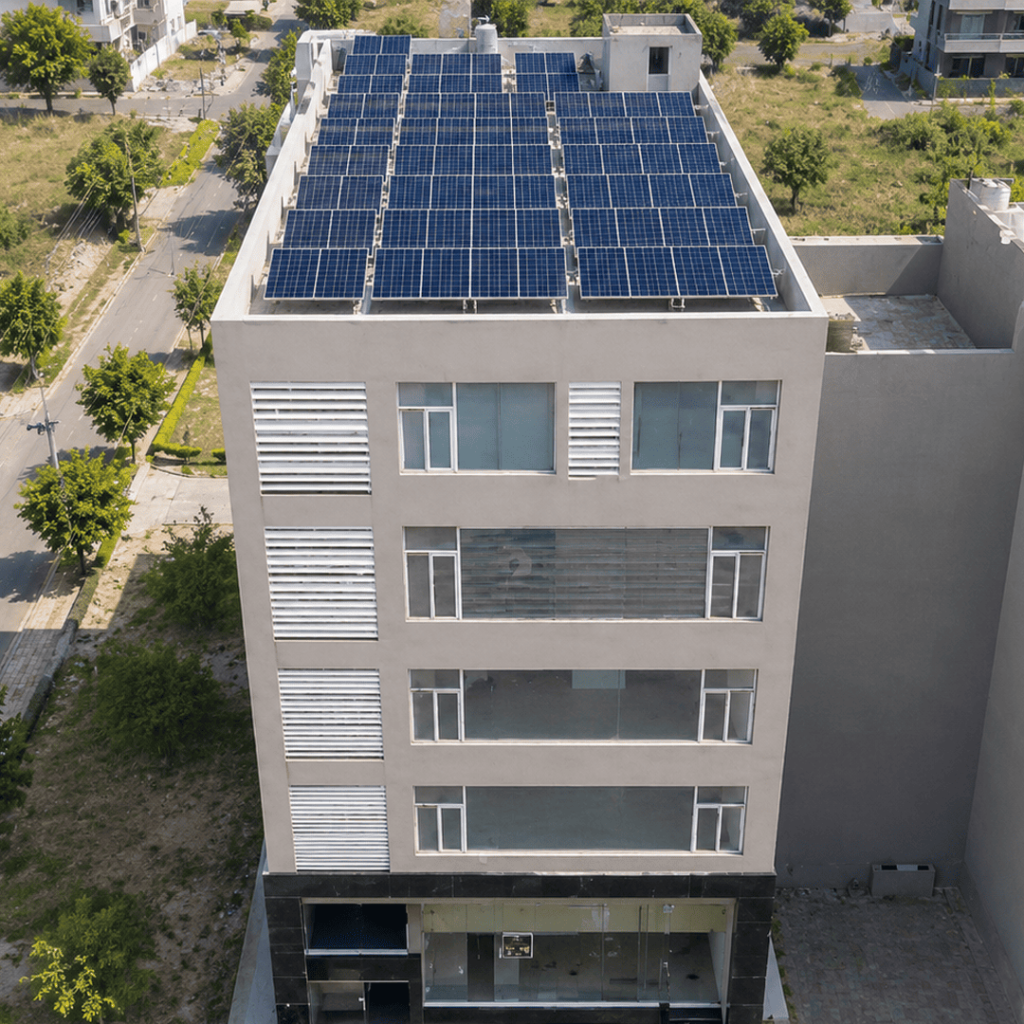
Each modern panel needs about 2.6 m² of shade-free roof. Your sanctioned load also matters for net-metering approvals, so keep it in mind before going much larger than your current connection.
Treat this as a first estimate. A proper load calculation looks at when you use power, not just how much.
Want an exact figure? Share your last 12 bills with our team on WhatsApp and we will prepare a free load calculation.